Design & interiors
Oeuf Furniture and the Modernist Case for Adaptable Children’s Rooms
A child’s room is never quite finished. It changes with its occupant: first a place for sleep and care, then a setting for play, books, friendships and the first experiments in personal style. Oeuf furniture offers a compelling lens through which to consider how modernist principles—clarity, proportion and restraint—can meet the practical, shifting demands of family life.
A room designed to change
Children’s interiors invite a particular kind of optimism. A small bed, a low shelf or a beautifully considered changing station can suggest permanence, even as the person who uses it grows at astonishing speed. The challenge is not to predict every future need. It is to make a room flexible enough to accommodate change without losing its coherence.
This is where the idea of adaptable design becomes more than a convenient phrase. It asks whether furniture can serve a clear purpose today and remain useful as routines evolve. It also asks whether a space can feel calm and individual without relying on disposable trends or furniture that is outgrown almost as soon as it is assembled.
Oeuf, a contemporary children’s furniture and design brand, provides a useful starting point for exploring these questions. Its appeal sits in a meeting of practical family concerns and visual simplicity: pieces intended for everyday use, with forms that can feel at home in interiors beyond the nursery. The larger lesson is not that every children’s room should look alike, but that thoughtful proportions and uncomplicated design can leave room for a family’s life to unfold.
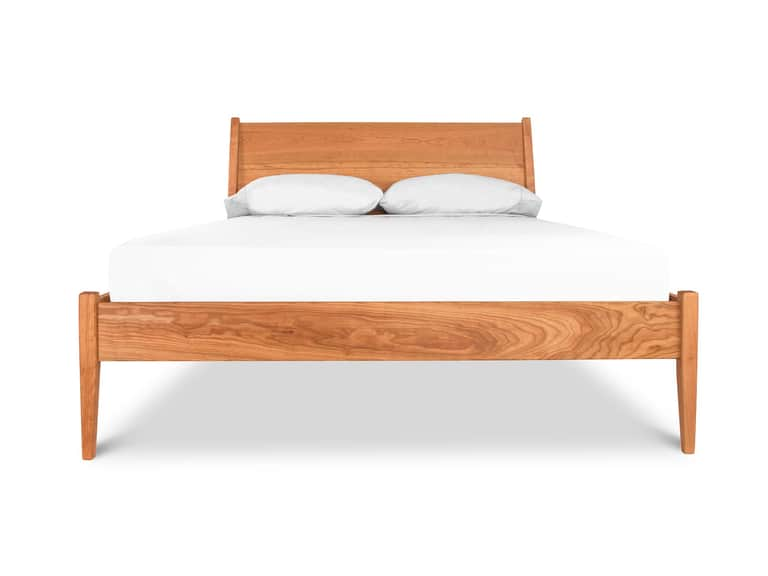
In a design culture often crowded with novelty, restraint can feel quietly radical. A bed need not announce itself as a child’s bed through cartoon motifs; a storage unit need not turn the room into a display of primary colors. When furniture has a clear shape and purpose, a room can feel youthful without being defined by a fleeting idea of childhood.
Modernism, softened for family life
Modernism is not a single look, nor is it simply a preference for white walls and clean lines. At its broadest, it describes an approach that values function, legibility and an honest relationship between form and use. In a child’s room, those principles can make daily life easier to navigate. The bed is recognizably a bed; the shelf makes books accessible; the surfaces and shapes do not compete for attention.
But a family interior cannot be a manifesto in miniature. It has to withstand toys, laundry, bedtime rituals and the joyful disorder of actual living. The most successful interpretation of modernist furniture for children, then, is not austere. It is thoughtful: a visual language that reduces unnecessary fuss while making space for color, texture and the objects that matter to the people who live there.
Clean lines can have a practical consequence. They may make furniture easier to place alongside existing pieces, and they can allow a room to evolve through changes in bedding, art, lighting or wall color rather than through wholesale replacement. A restrained frame might sit comfortably with a patterned quilt one year and a more subdued palette the next. The furniture acts as an anchor; the room’s softer details do the changing.
That balance is especially relevant in homes where a child’s bedroom has to serve several purposes. It may be a sleeping space, a reading nook, a dressing area and a refuge for quiet play. Furniture that is visually calm can help these functions coexist. The goal is not to remove personality, but to give it a setting in which it can grow.
The appeal of proportion
Proportion is one of the quietest and most powerful tools in furniture design. In a child’s room, it determines whether a bed feels inviting rather than imposing, whether a storage piece is reachable, and whether the floor remains available for play. Scale affects not only how a room looks, but how a child can use it.
Low furniture can make a space feel approachable, though “child-sized” should not be treated as a universal solution. Children grow, rooms differ, and household needs vary. The more useful question is whether an object’s dimensions support the activity it is meant for and whether the surrounding space allows safe, comfortable movement. A piece may be beautifully proportioned in isolation and still be wrong for a narrow room or an awkward doorway.
Negative space deserves equal consideration. A room does not need to be filled simply because it is available. Leaving some floor clear can make play easier and make the furniture that remains more legible. That openness has an aesthetic quality, but it is also a form of flexibility: the room can host new activities without requiring a new set of furnishings.
These principles help explain why furniture with simple silhouettes often has a longer visual life. It can be paired with different colors and decorative styles without requiring the entire room to follow a single theme. The effect is not cold minimalism, but a composed backdrop—one that gives family objects, books and personal collections room to be noticed.
Adaptability is more than an extra feature
When considering adaptable interiors, it is tempting to look only for furniture that converts from one form to another. A convertible piece can be useful, but adaptability has a broader meaning. It can describe furniture that remains relevant as a room changes, storage that accommodates different kinds of belongings, or a layout that can be rearranged without difficulty.
In practice, a piece is more likely to earn its place over time if it meets several tests. Is it useful in the family’s current routine? Can it be maintained with reasonable care? Does it fit the room in a way that allows movement? Could it serve a different role later, or be passed along? No single item needs to satisfy every test, but the questions help distinguish considered longevity from marketing language.
For example, a low bookcase might first hold board books and toys, then later become a home for novels, games or school materials. A chair used during bedtime stories may become a reading chair. A bed frame will not necessarily adjust to every stage of childhood, and a design should not be assumed to do so unless its specifications say that it can. Yet the room around it can be planned with enough flexibility to accommodate future changes.
Adaptability is also emotional. Children form attachments to their rooms, and a setting that can be refreshed gradually may feel more personal than one replaced all at once. A new lamp, a rearranged shelf or a change in wall art can mark a transition without erasing familiar surroundings. In that sense, flexibility is not only about efficiency; it is a way to make room for continuity.
Materials, finishes and the meaning of longevity
Material choices shape the atmosphere of a room as much as its durability. Wood brings visible grain and warmth; painted surfaces can introduce color or create a quieter, more uniform effect. Metal, fabric and finishes each have their own tactile and visual character. Rather than assuming that one material is automatically superior, it is useful to consider construction, care requirements and how a surface will be used.
In children’s furniture, longevity begins with reliable information. Buyers and caregivers can look for clear details about materials, finishes, assembly, maintenance and intended use. A polished description is not a substitute for product specifications. Where questions concern chemical emissions, certifications or safety standards, those claims should be checked against current, relevant documentation rather than inferred from a general impression of quality.
Finishes are part of both aesthetics and upkeep. A surface that can be cleaned using straightforward, manufacturer-recommended methods may suit a busy household better than one requiring delicate treatment. At the same time, no finish makes furniture invulnerable. Scratches and signs of use can become part of a piece’s history, though families should follow care guidance and attend to damage that could affect safe use.
Longevity is not simply a promise that an object will last forever. It can mean that a piece remains functional, repairable or aesthetically welcome long enough to justify keeping it. It can also mean that its design does not depend on a highly specific theme. The fewer visual assumptions a piece makes, the more readily it may coexist with the next chapter of a room.
Materials also have a sensory presence. A child encounters a bedroom through touch as well as sight: the edge of a shelf, the texture of a blanket, the coolness of a floor on a morning. Thoughtful design respects these small experiences without making sweeping claims about how a particular product will affect sleep or wellbeing. Comfort is personal, and a room’s character emerges from the combination of furnishings, light, sound and daily habits.
Safety as an essential design consideration
Furniture for children must be evaluated on practical grounds as carefully as aesthetic ones. Appropriate age and use, assembly instructions, stability, clearances and applicable safety standards matter. A pleasing silhouette cannot answer those questions on its own. Before purchasing or using a piece, caregivers should review the manufacturer’s current guidance and make sure the item is assembled and maintained as directed.
Room planning matters, too. Heavy furniture may need to be secured according to its instructions and local safety recommendations. Cords, small objects and climbing hazards deserve attention, particularly as a child becomes more mobile. Beds and sleep spaces should be set up according to relevant child-safety guidance; decorative choices should never take precedence over safe use.
Adaptability should not be confused with using a product outside its intended purpose. A storage unit is not necessarily suitable for climbing, and a bed designed for one age or stage should not be assumed to fit another. When a child’s needs change, it is worth checking specifications again rather than relying on appearance or general assumptions.
This safety-first approach does not diminish good design. It makes good design more meaningful. The room’s visual calm is most valuable when it supports a space that is also functional, appropriate and well considered.
A bedroom that belongs to a whole home
One of the pleasures of restrained children’s furniture is its ability to converse with the rest of a home. A child’s room can have its own identity without appearing disconnected from the architecture or furnishings beyond the door. This is not about making every room match. It is about choosing forms and materials that can live alongside a family’s broader visual language.
There are many ways to create warmth without relying on themed décor. Bedding can bring pattern; a rug can define a play area; books and framed drawings can add color. A palette built from soft neutrals might be punctuated with a vivid red, a botanical green or a saturated blue. Alternatively, a room can be generous with pattern while the furniture remains simple. The point is to balance visual energy rather than to enforce a single formula.
Bedrooms also benefit from lighting that responds to different routines. General lighting, a reading light and a softer option for evening can make a room more versatile, provided fixtures and cords are selected and placed with safety in mind. Storage should be considered in relation to what a child can reach and what caregivers need to keep organized. Even a small change in layout can make the room feel more intuitive.
These choices connect children’s interiors to a larger design conversation about rooms that can serve more than one purpose. The best family spaces do not treat practicality as a regrettable concession. They make practical needs part of the composition—quietly, elegantly and with enough room for the unexpected.
How to think about buying less, and choosing carefully
A non-commercial way to approach children’s furniture is to begin with the room rather than a list of objects. What is missing from the daily routine? What is already working? Is there enough room to open drawers, move around the bed and play? These questions can prevent the familiar cycle of buying something because it looks useful, then discovering that it solves a problem the room did not have.
Measurements are a deceptively stylish tool. Note the floor area, doorway width and the position of windows, radiators and outlets. Consider how a piece will be brought into the room and assembled. A well-designed object is only a good fit if it can be placed and used comfortably in its actual setting.
Then consider a piece’s life beyond the first use. Can it be cared for with available time and resources? Are replacement parts or repair information available? Would its style work with a later palette? These questions cannot guarantee a long life, but they can make a decision more thoughtful. They also shift attention from the temporary appeal of a trend to the relationship between an object and the household that uses it.
Finally, remember that adaptability does not require a perfect, all-purpose purchase. Sometimes the most flexible room is built from a few dependable pieces, some open space and details that can be changed inexpensively. A child’s room need not arrive complete. It can develop in response to its occupant.
The lasting case for visual simplicity
Oeuf furniture offers a lens on a particular design ideal: children’s spaces can be practical and expressive without becoming visually overdetermined. Modernist clarity helps make the function of an object understandable; thoughtful proportions help it feel at ease in the room; adaptable planning allows the interior to evolve. Together, these ideas offer a durable alternative to decorating around a narrow age or a passing theme.
None of this means that a child’s room should be pristine, neutral or carefully staged. The lived-in room—with its favorite books, imperfectly made bed and small collections—is the point. A considered piece of furniture can give that life a useful structure without attempting to control it.
Perhaps that is the most persuasive modernist lesson for family interiors: simplicity is not the absence of personality. It is the space in which personality can emerge. When a room is designed to change, the furniture does not have to predict who a child will become. It only needs to serve the present well, leave possibilities open and look good along the way.
A concise checklist for adaptable children’s rooms
- Begin with the room’s actual routines and measure before selecting furniture.
- Look for clear specifications, care instructions and age-appropriate use guidance.
- Choose forms and colors that can work with more than one stage or decorating scheme.
- Keep movement and open floor space in mind; an uncluttered layout can be more adaptable than another piece of furniture.
- Treat safety, assembly and maintenance as essential parts of design, not afterthoughts.
- Let change happen gradually through books, textiles, art and rearrangement as a child’s needs and preferences develop.