Tracing the Evolution of Platform Beds: From Steam-Pressed Steel to Minimalist Mid-Century Silhouettes
An editorial exploration of how the platform bed rose from industrial pragmatism to design icon, weaving through decades of material innovation, design vocabulary, and notable personalities who shaped its iconic silhouette.
The platform bed exists at the intersection of function and poetry. It is the architectural spine of a bedroom, a low-slung stage where linen, light, and intention gather. Its history is a quiet revolution: from steam-pressed steel frames and wooden slats to the slender, streamlined, and almost sculptural forms that define mid-century modern interiors. In this feature, we trace its journey across the 20th century and into a contemporary moment that reimagines retro with a confident, minimalist poise.
Platform beds are defined by their bed surface that rests directly on a solid base, obviating the need for a box spring. They often celebrate clean lines, a low profile, and a visual breath that makes spaces feel calmer and more expansive. The evolution of this bed type is not merely a tale of materials; it is a chronicle of design philosophy—how designers balanced structure, weight, proportion, and tactile warmth to create furniture that feels both utilitarian and sensually alive.
As a concept, the platform bed traveled through a spectrum of cultural moments—industrial ingenuity in the early 20th century, the rationalized clarity of Bauhaus-adjacent modernism, and the romantic geometries of mid-century minimalism. It is a story told in metal textures, in the grain of wood, in the lacquered patience of a finish, and in the careful spacing of slats and supports that support a night’s calm as much as a headboard’s silhouette anchors a room.
Aesthetic continuity, enduring craft, and the quiet drama of a well-made bed.
A chronological walk: milestones in platform bed design
The platform bed’s footprint can be traced from the early experimental metal-and-wood hybrids of the 1920s through to the legendarily sleek silhouettes of the 1950s and 1960s. Each decade offered designers new constraints and new opportunities: factory production, new joinery techniques, and evolving notions of comfort and space-planning.
1920s–1930s: Industrial clarity and emerging modularity
In the wake of modernist experimentation, designers began to experiment with low frames and solid bases that could be mass-produced without the bulk of traditional grand bed frames. Steel and engineered woods offered resilience and a new kind of honesty in construction. The platform bed in this era favored functional silhouettes, often with visible detailing that celebrated the craft of the joinery.
Notable vocabulary emerging in this period included terms like platform, slatted base, and canopy variants, each describing a function or a stylistic preference rather than a strict form. The emphasis was on how the bed interacted with light, air, and the surrounding interior language.
1940s–1950s: Minimalist resilience and the rise of mid-century temperament
As materials refined and production processes modernized, platform beds began to embody a warmer, more human scale. The 1950s brought a democratization of luxury—slender frames, exposed wood grains, and restrained lacquered finishes that read as both warm and precise. The bed stopped being a mere sleeping surface and began to register as a quiet sculpture within the room.
Designers during this era leveraged the platform concept to explore proportion and harmony with surrounding furniture, lighting, and textiles. The result was a bed that felt integrated with the room’s choreography rather than a separate, anchored object.
Key design vocabulary and era-specific terminology
Understanding the language of platform beds helps anchor historical interpretation and helps readers navigate architectural and design archives. Three terms recur across decades and signal distinct approaches to form, function, and material interplay:
- Divan: A low, upholstered platform that integrates a mattress directly on a padded base, often without a visible bed frame.
- Platform: A solid base that supports the mattress, typically low to the ground, creating a grounded, continuous line with the surrounding furniture.
- Slatted base: A bed foundation using evenly spaced slats, offering a breathable support system and a lighter visual footprint than a solid panel.
In mid-century design, these terms translated into distinct silhouettes. A divan might emphasize textile luxury and soft edges, while a platform with a visible slatted base celebrated a more architectural, legible construction. Canopy variants added theatrical dimension while preserving the platform’s essential logic—a bed that rests, breathes, and anchors a room with quiet authority.
Contextual case studies: platform beds in living patterns
Platform beds did not exist in isolation; their form responded to lighting, room geometry, and storage demands. We look at three case studies that illuminate how mid-century interiors embraced platform beds as anchors for living patterns, rather than solely as sleeping surfaces.
Case Study 1
A Scandinavian-influenced bedroom where a low platform bed with a hardwood slatted base harmonizes with pale birch walls and a restrained lighting scheme. The bed becomes a stage for textiles—linen sheets, wool blankets, and a soft, wool rug—without competing with the room’s architecture.
Case Study 2
A factory-inspired loft where a steel-frame platform with a timber headboard is paired with modular storage elements. The result is a bed that visually anchors the sleeping zone while remaining porous enough to reflect an open-plan lifestyle.
Case Study 3
A glam-leaning mid-century suite where a low, upholstered platform contrasts with glossy surfaces and lacquered cabinetry. The bed’s silhouette acts as a bridge between tactile softness and architectural clarity, illustrating how platform geometry can elevate a room’s mood.
Notable designers and reflexive profiles across eras
Three pivotal figures illuminate the platform bed’s evolution, each contributing a distinct philosophy to its silhouette, construction, and cultural significance. Their legacies reveal how a singular form can adapt and endure across decades.
1920s–1930s: Marcel Breuer
Breuer’s experiments with tubular steel furniture blurred functional lines with cinematic aesthetics. His platform-inspired frames embraced industrial clarity, turning raw materials into architectural statements that could inhabit residential spaces without sacrificing warmth or comfort.
Breuer’s work with metal and geometry laid groundwork for platform bed sensibilities: low lines, precise joins, and a cultivated honesty about materiality.
1940s–1950s: Charlotte Perriand
A collaborator with Le Corbusier, Perriand’s approach to furniture as an extension of daily life emphasized ergonomic comfort and modularity. Platform beds in her orbit often combined wood warmth with steel precision, balancing human scale with industrial efficiency.
Her work underscored the value of adaptable, human-centered design within the disciplined modernist vocabulary.
1960s–1970s: Charles and Ray Eames
The Eameses popularized furniture that embraced mass production without losing a sense of sculptural grace. Platform bed variants that featured refined plywood, clean profiles, and integrated storage reflected a shift toward domestic convenience and a refined, modernist appeal.
Their influence persists in contemporary reinterpretations that honor proportion, tactility, and the idea that good design can be both affordable and aspirational.
A contemporary moment: the platform bed in today’s retro-chic continuum
Today’s iterations of the platform bed lean toward minimalism but with a tactile warmth that nods to retro aesthetics. The contemporary platform often employs lighter materials, modular components, and integrations with smart storage solutions. The visual language remains clean, with an emphasis on proportion and subtle texture—the grain of wood, the gloss of lacquer, the matte of steel—so the bed still feels like an anchor of calm in a fast-paced world.
In this Vogue-informed lens, the platform bed’s renaissance is less about trend cycles and more about a timeless appetite for enveloping order. It’s a bed that invites a slow, discerning gaze: a structure that does not shout, but rather speaks in quiet, confident lines.
A curated product reference: elevating the retro bedroom without compromising the editorial voice
In the spirit of connoisseurship that defines this domain, we spotlight a single, exquisitely crafted mattress that embodies the union of heritage craft and modern comfort. This choice serves as a tactile touchstone for readers who understand that a bed is as much about its sleeping surface as its surrounding architecture.
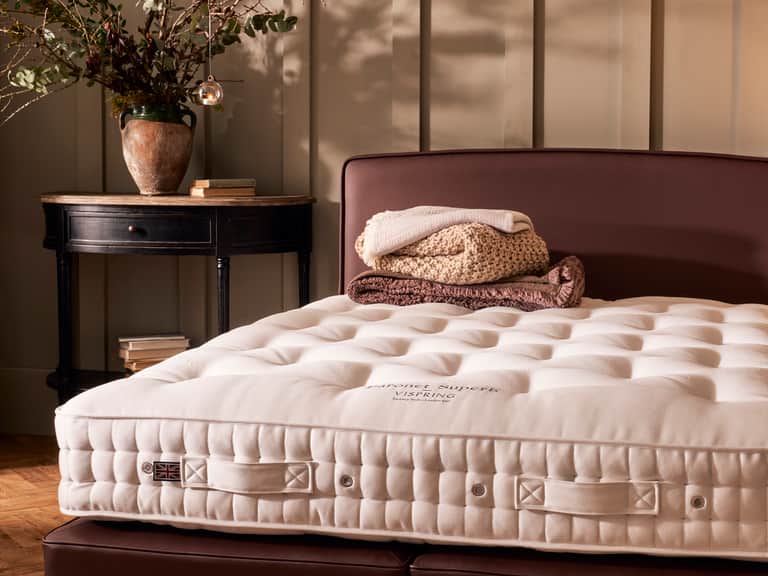
Vispring Baronet Superb Mattress
A luxury etude in materials and artisanal technique, built with British fleece wool, horsehair, and Calico pocketed springs. Hand-tufted, with options for varying firmness, this mattress is the sovereign companion to a platform bed that aspires to a serene, hotel-like calm at home.
Firmness options: Soft, Medium, Firm, or Extra-Firm; King-size options offer split firmness. Height and tailoring can be adjusted to personal ritual of rest.
Estate Sheet Set and Complementary Bedding
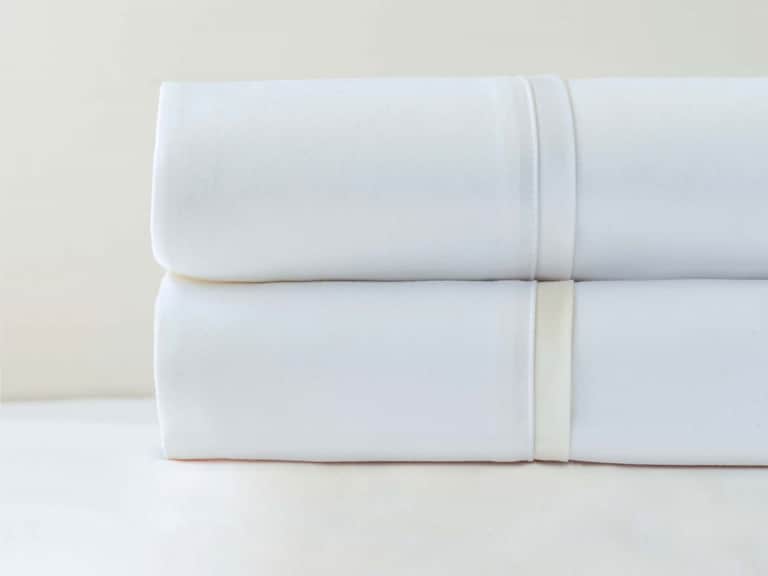
The Bovi Estate Collection offers a 500-thread-count, long-staple cotton sateen sheet, paired with the Estate Duvet Covers in a palette that evokes mid-century restraint and luxury. This pairing—sheet set with refined cover—completes the platform’s sense of curated, editorial calm.
Editorial bibliography: references and further reading
For readers who wish to immerse themselves in the literature of bed design, architecture, and interior culture, this section provides a curated starter kit—timelines, museum references, and design glossaries that echo the scholarly yet accessible voice of retrobeds.com.
- Timelines of platform bed design in major design museums and architecture archives.
- Glossaries of bed-related terms across decades and regions.
- Curated reading lists on furniture history, material culture, and restoration principles.
Conclusion: the platform bed as a disciplined celebration of minimal luxury
The platform bed, with its quiet gravity and refined simplicity, remains a discipline in restraint. It teaches us that great design can be both functional and emotionally resonant. It invites an interior to breathe, to move with the human body through the hours of sleep, and to wake with a sense of renewed proportion. In tracing its evolution—from steam-pressed steel and experimental frames to the minimalist, mid-century silhouettes that defined a generation—this article celebrates a form that endures by embracing clarity, craft, and a certain unassuming glamour.