Wool comforters are a timeless bedding option known for their natural temperature regulation, insulating properties, and moisture management. This category highlights the unique advantages of wool fibers, including breathability and resilience, which contribute to a balanced sleep environment. Understanding fiber structure helps explain how wool can wick moisture and maintain comfort across seasons.
Key features to consider include fiber origin, loft, and fill weight. Wool comforters often employ compact, high-loft fills that trap air for warmth without excessive heaviness. The sustainable nature of wool, along with its to-the-touch softness, supports long-term durability and reduces the need for frequent replacement compared to lower-quality alternatives.
Within the Sleep and Beyond and myComforter Light lines, wool comforters showcase varied warmth levels and edge-end construction. These products emphasize even loft distribution, hypoallergenic properties, and easy-care guidance that helps maintain loft and texture with routine cleaning practices, preserving comfort and performance over time.
Usage considerations include seasonal adaptation, layering with blankets, and appropriate bed dimensions. Wool comforters pair well with breathable sheets and duvet covers to optimize temperature regulation. The materials’ natural flame resistance and odor resistance can contribute to a hygienic sleep surface, supporting overall bed climate control.
In-depth understanding of wool comforters supports informed material choice for different climates and sensitivities. The Sleep and Beyond and myComforter Light models illustrate how fill weight, weave, and wool durability interact to deliver consistent thermal performance. Keywords such as bedding, sheets, comforters, wool comforters, and furniture reflect the broader context of sleeping environments.
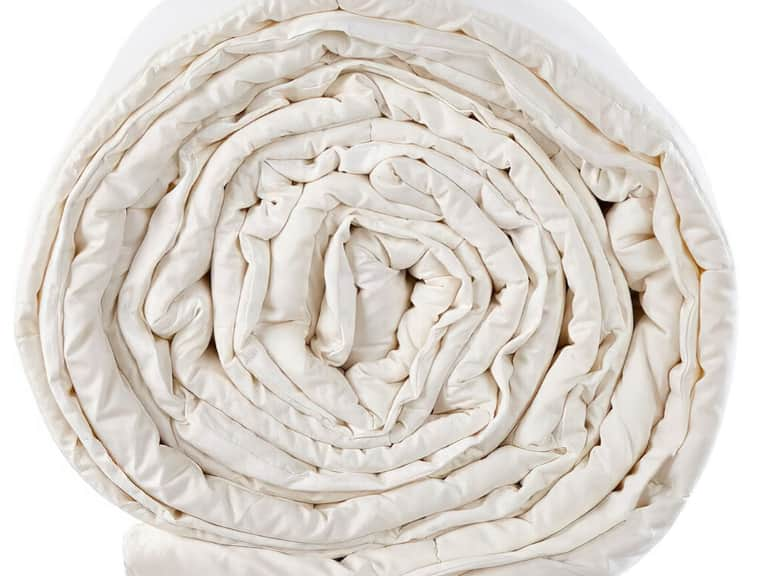 Bedding